Design, for me, keeps coming back to the same question: how do people actually think, learn, and make decisions?
I've asked it as a teacher, as someone hiring for a team, and now as a designer.
The context keeps changing, the question doesn't.
My path
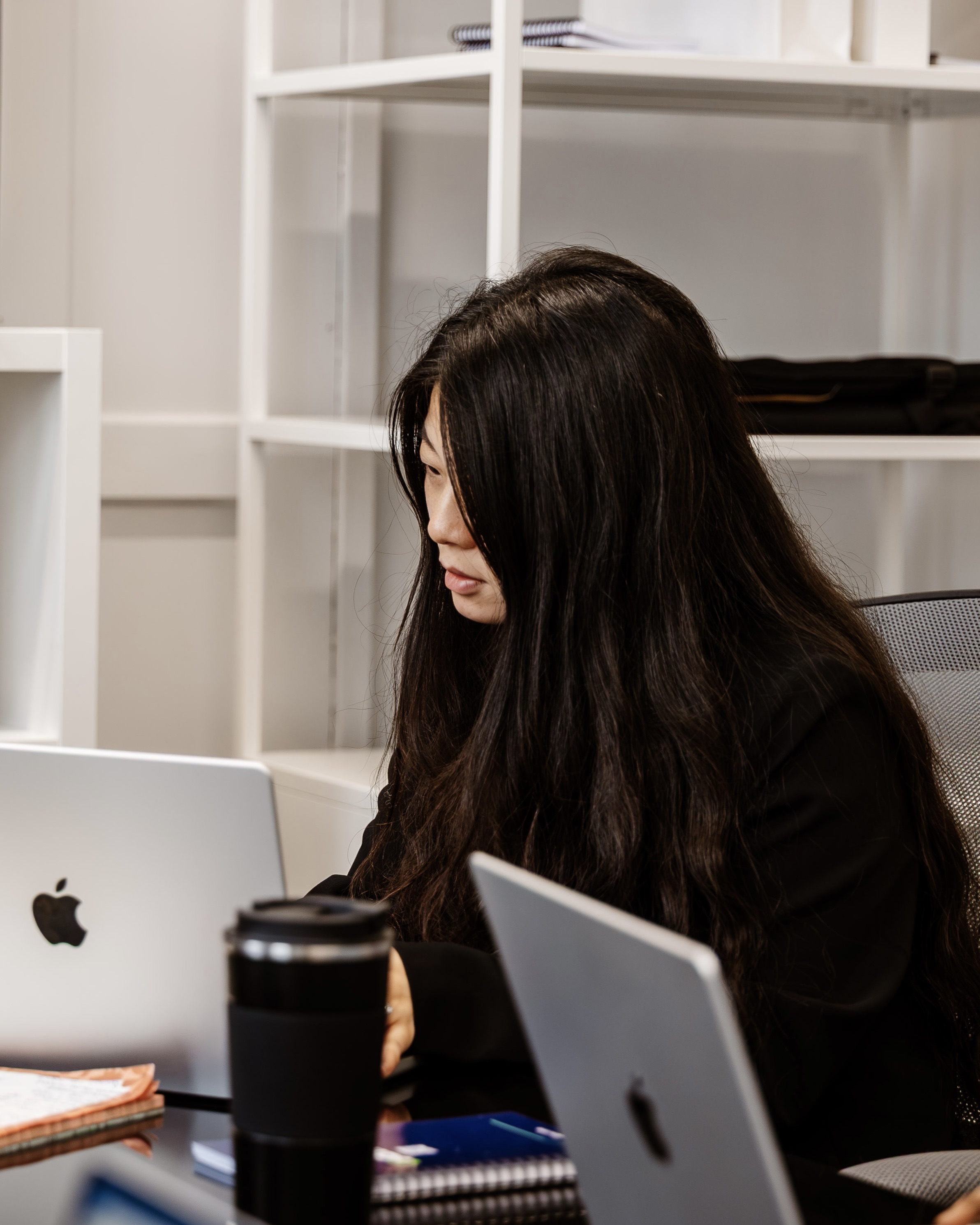
I didn't start in tech. I came from teaching, where I discovered a real talent for understanding people and helping them learn, with a genuine, ongoing interest in psychology and behavior on the side. My passion for human experience was already there — working with a UX Researcher/Designer to improve our recruiting product was what finally put a name to it. I got certified (University of Michigan, Google UX), moved to the UK, and started projects like Mude and a femhealth-focused discovery project.
Quabble is where product and growth started to feel like one system to me, not two separate jobs. By the time I got to Osdire, I was researching markets and competitors, sitting in on major product decisions, and realizing product work fascinates me for the same reason teaching did: underneath everything, it is still about understanding people.
How I work
I'd rather trace a number back to why it's wrong than trust it at face value
I think about the whole system a decision sits inside, not just the screen in front of me
I involve engineers early, and design for the constraints actually in front of me
I argue for my designs with conviction, and let evidence have the final say
I've worked on products including freelance marketplaces, mental-wellness experiences and early-stage digital platforms, often in environments where there isn't a perfectly defined brief waiting for me.
And that's probably my favourite kind of problem.
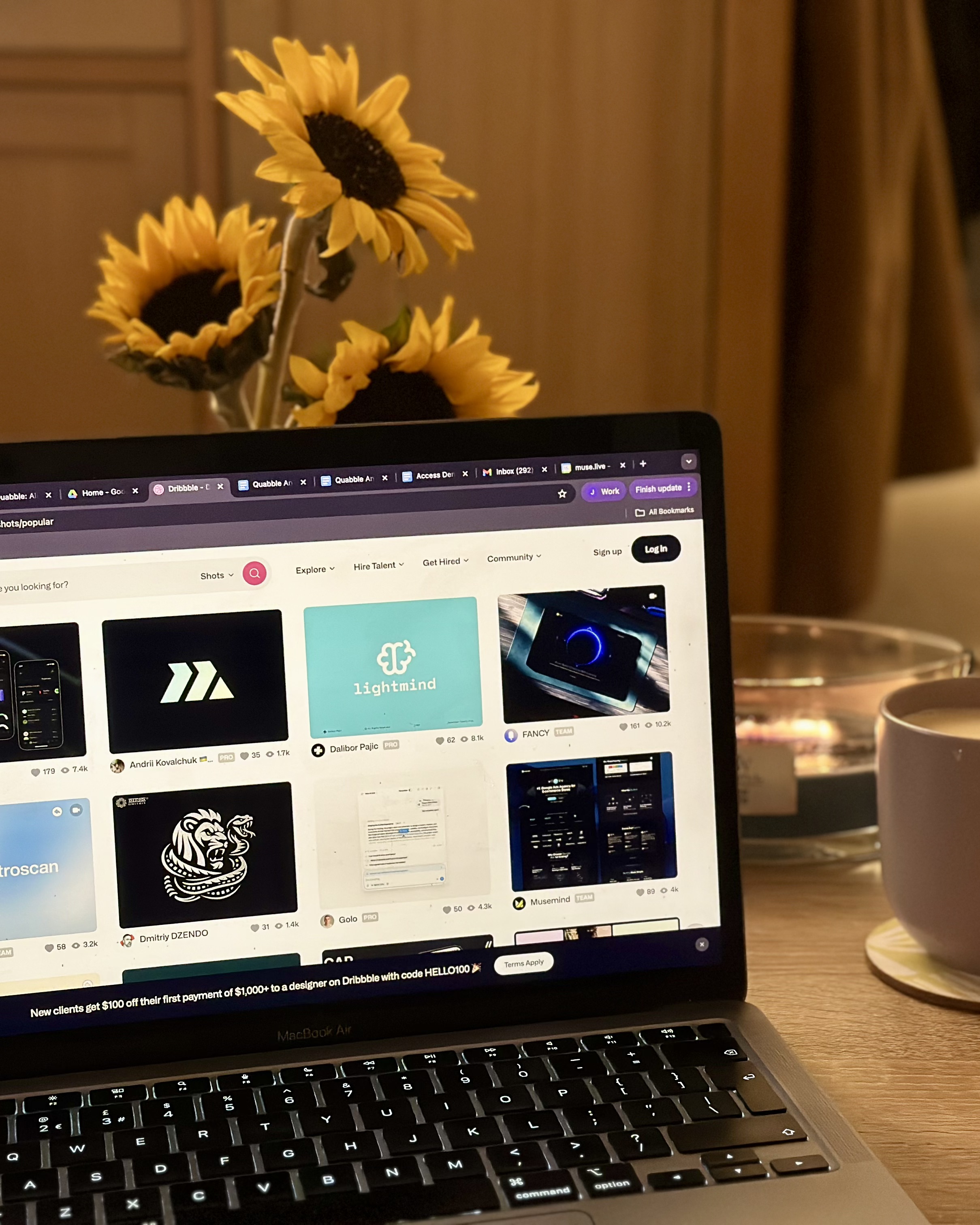
Give me an ambiguous challenge, some users to talk to, a few behavioural clues and a Figma file — and I'm very happy.
What I believe
I think a lot about the difference between technology that helps someone get what they actually want, and technology that just gets better at holding their attention. It's why the accessibility side of the Quabble work mattered to me: keeping the app reachable and still supportive for people who couldn't pay, not just optimising the paid funnel.
“What is technology actually for?”
is a question that doesn't get asked enough inside most product teams, and I'd rather be someone who asks it.
When I am not in front of my screen…
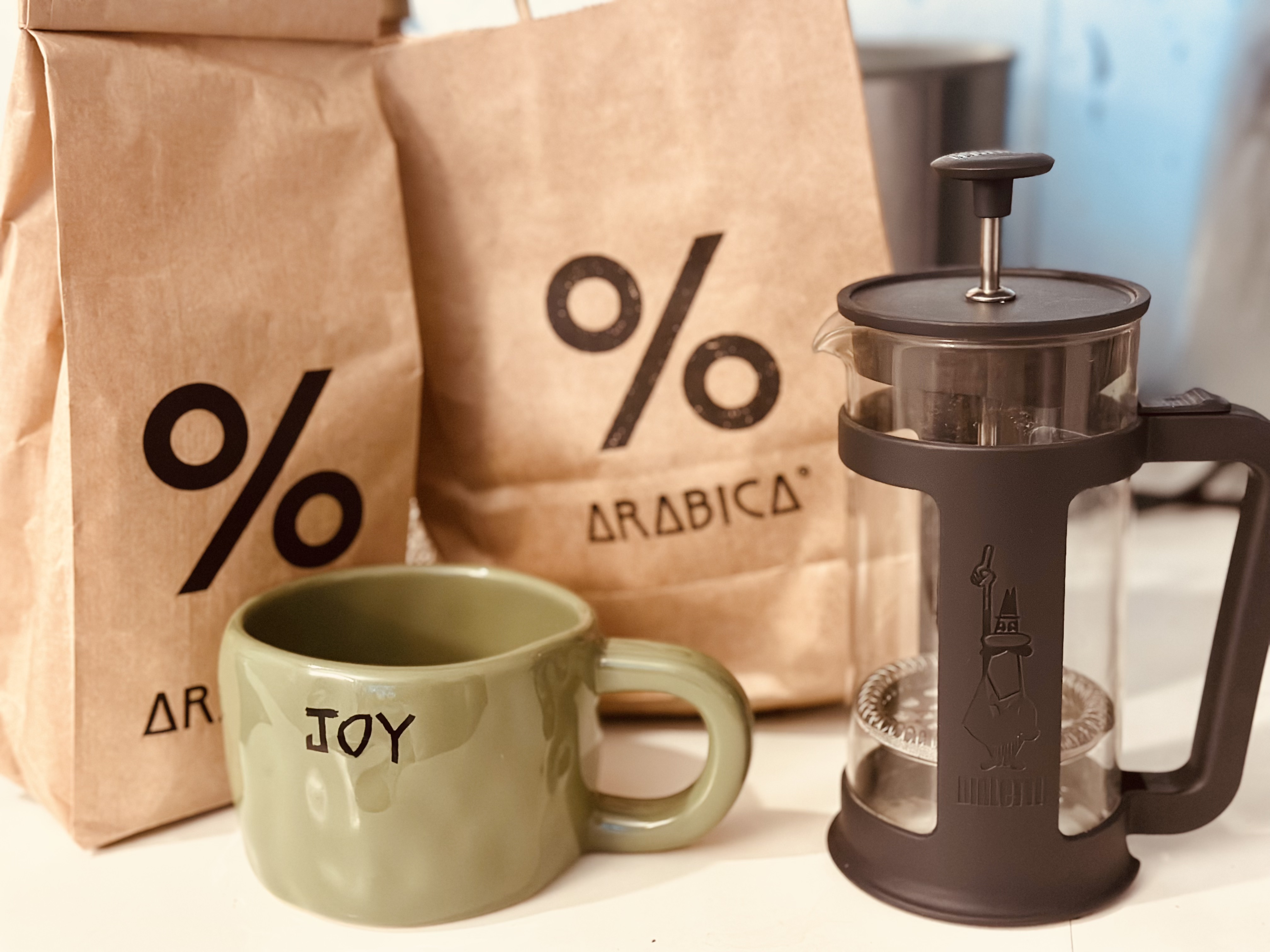
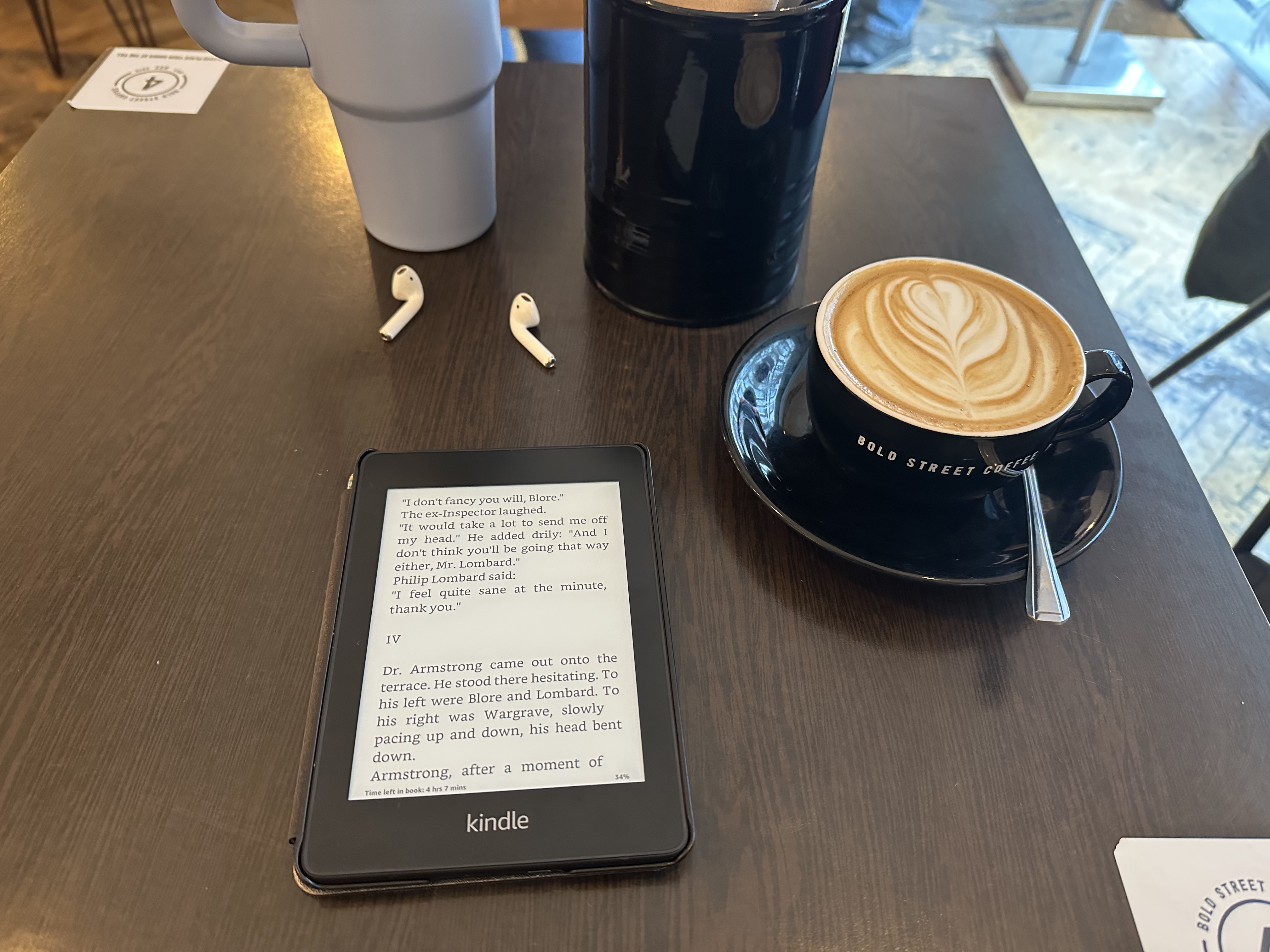
Outside of work: exercising, making coffee, listening to music, and capturing delightful moments in life.
And yes — I still spend my spare time reading about people.